What is Global Citizen Science?
In 2026, the surge in global citizen science projects is transforming the way we approach scientific research and environmental conservation. Citizen science involves ordinary people contributing to scientific research efforts alongside professional scientists. It’s a collaborative effort that harnesses the power of collective data gathering and problem-solving at a scale previously unimaginable.
Citizen science projects cover a wide range of topics, from monitoring local wildlife and air quality to tracking climate change and participating in astronomical research. By engaging people worldwide, these projects not only democratize science but also foster a sense of global community and shared responsibility.
The Role of Technology in Citizen Science
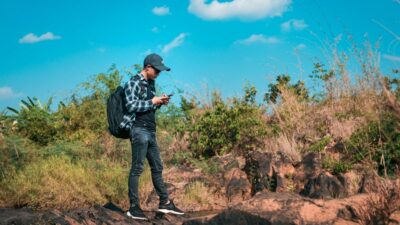
Technological advancements have played a pivotal role in the rise of citizen science. With the proliferation of smartphones, GPS, and specialized apps, anyone can become a citizen scientist. For instance, the app iNaturalist, now boasting over 10 million users, allows individuals to record and share observations of plants and animals from anywhere in the world. These observations contribute to a global database used by scientists to track biodiversity changes.
Moreover, platforms like Zooniverse offer online projects where users can assist in classifying galaxies or identifying wildlife in camera trap images. These platforms provide a user-friendly interface that makes participation accessible to people of all ages and backgrounds.
Impactful Citizen Science Projects
- eBird: Managed by the Cornell Lab of Ornithology, eBird has become one of the largest biodiversity-related science projects. In 2026, it has successfully mapped the migratory patterns of over 1,000 bird species, thanks to the contributions of bird watchers across the globe.
- Foldit: A unique project where participants solve puzzles to help scientists understand protein folding, crucial for disease research. In recent years, Foldit users have contributed to breakthroughs in COVID-19 and Alzheimer’s research.
- Globe at Night: An international campaign to raise awareness about light pollution. Participants measure night sky brightness, helping scientists understand the impact of artificial lighting on ecosystems.
How to Get Involved in Citizen Science
Joining a citizen science project is easier than ever. Start by identifying an area of personal interest, whether it’s wildlife conservation, climate change, or astronomy. Websites like SciStarter provide comprehensive lists of projects categorized by topic, location, and required skill level.
It’s important to dedicate a consistent amount of time to your chosen project. Regular participation ensures that your contributions are meaningful and helps build a habit of involvement. Moreover, joining local groups or online communities can enhance your experience, providing opportunities for learning and collaboration.
The Future of Citizen Science in 2026 and Beyond
The potential of citizen science in 2026 is vast. As environmental challenges grow more complex, the collective efforts of citizen scientists can drive significant change. For instance, ongoing projects in the Amazon rainforest involve local communities in monitoring deforestation, providing data that informs global policy decisions.
As more people become aware of the impact they can have, citizen science may well become a fundamental aspect of civic engagement. Educational institutions are increasingly incorporating citizen science into curricula, preparing the next generation to be more scientifically literate and environmentally conscious.
The global community’s embrace of citizen science is not just about data collection; it’s about empowering individuals to contribute to the betterment of our world. By participating in these projects, people are not only helping scientists but also becoming advocates for change.
Practical Takeaway: Citizen science is reshaping the way we approach global challenges. By taking part, individuals can contribute to real-world scientific research, learn more about the world, and make a tangible difference, all from their own backyard or online.